Wildlife removal in Merritt Island, FL
Critter Guys handles wildlife removal on Merritt Island, from canal homes off Newfound Harbor to lots near the refuge on the north end. We find how the animal got in, move it out humanely and close the gap behind it.
- Licensed and insured in Florida
- Follows FWC trapping rules
- 25+ years in Central Florida
Book your island inspection
Tell us what you are hearing or seeing. We will get back to you, set up a visit and give you a straight answer on what it takes.
- Firm quote before any work starts
- Call, text or email, your pick
- Licensed and insured in Florida
Quick answer. Critter Guys provides wildlife removal across Merritt Island, FL, for raccoons, squirrels, roof rats, opossums, armadillos, bats and snakes. We start with an inspection of the roof line, soffits, attic and foundation, take the animals out with humane traps or one-way doors under FWC rules, then seal the entry points. We are licensed and insured in Florida. To get on the schedule, call or text (321) 203-6963.
Living between the Indian River and the Banana River
Merritt Island is unincorporated Brevard County, a long piece of land with the Indian River on its west shore and the Banana River on its east. Sykes Creek and Newfound Harbor cut into the east side, and much of the south end is laced with residential canals. Up north, the island opens into Merritt Island National Wildlife Refuge and Kennedy Space Center property, a huge stretch of marsh, scrub and hammock with very few houses in it.
That mix shapes the wildlife pressure. Homes on a canal or seawall see raccoons working the waterline at night. Properties toward the refuge side, up Courtenay Parkway, tend to get more armadillos, snakes and opossums wandering in from open land. And the big live oaks and cabbage palms shading so many older island lots give squirrels and roof rats a direct route to the roof. The same patterns repeat across the causeway in Cocoa and out on the barrier island in Cocoa Beach.
Merritt Island field notes
- Unincorporated Brevard County
- Indian River and Banana River shorelines
- Borders Merritt Island National Wildlife Refuge
- Canal neighborhoods on the south end
Signs of wildlife on a Merritt Island property
Most calls start with something small, like one of these.
Footsteps around midnight
Heavy, deliberate walking overhead late at night usually means a raccoon. Quick scurrying along the eaves just before dawn points more toward roof rats.
Fresh chew marks on fascia
Squirrels and rats like the corner where the roof meets the fascia, especially facing the oaks. Raw, light colored wood is a recent bite.
A soffit screen hanging loose
Raccoons pry soffit screens open with their hands. A sagging panel near a downspout or a screened lanai roof is a common first sign.
Cone shaped pits in the lawn
Small holes appearing in the grass overnight are a classic armadillo pattern, and they show up more on lots close to open land.
Droppings piled on a dock or seawall cap
Raccoons go back to the same spot again and again. A pile like that is a latrine and should be cleaned with care, not hosed into the canal.
An odor you can’t place
A sour, sharp smell near one wall or closet can mean urine soaking into insulation, or an animal that died inside a void.
Why island homes end up with animals in the attic
A lot of Merritt Island was built out decades ago, and many of those concrete block houses still have their original soffit vents, aging roof boots and gable vents with thin screen. Humid, salty air coming off two rivers wears those screens and fasteners down faster than people expect. A raccoon only needs a soft spot to start pulling. A roof rat can squeeze through a gap about the size of a quarter.
Storms add to it. After a tropical storm or a hard summer squall we often find lifted shingles, bent drip edge and soffit panels popped out of their track, and animals usually find those openings before the homeowner does.
Canal lots
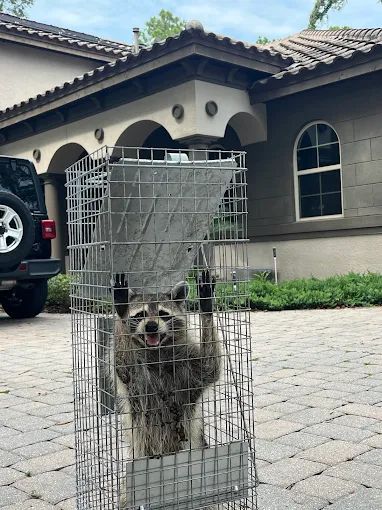
A waterfront yard gives a raccoon food, water and cover in one place. They walk the seawall, climb a downspout or the pool cage frame, and reach the roof in seconds.
Lots near conservation land
On the north end and beside preserves like Pine Island Conservation Area, snakes, opossums and armadillos move in from the edges. Sheds, wood piles and hollows under slabs are where they settle.
Our services for Merritt Island homes
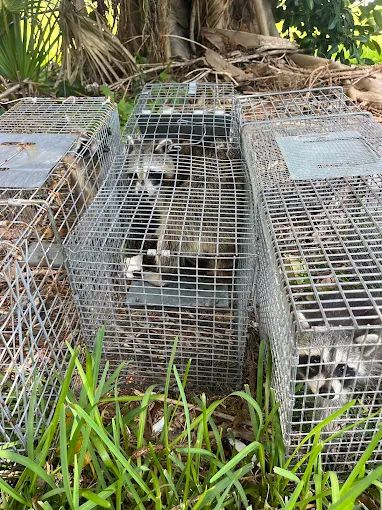
Raccoon Removal
Raccoons climbing canal-side downspouts and pool cages into soffits, removed humanely with the entry sealed after.
Squirrel Removal
Squirrels using big island oaks to reach your roof, moved out through one-way doors before we patch the chew holes.
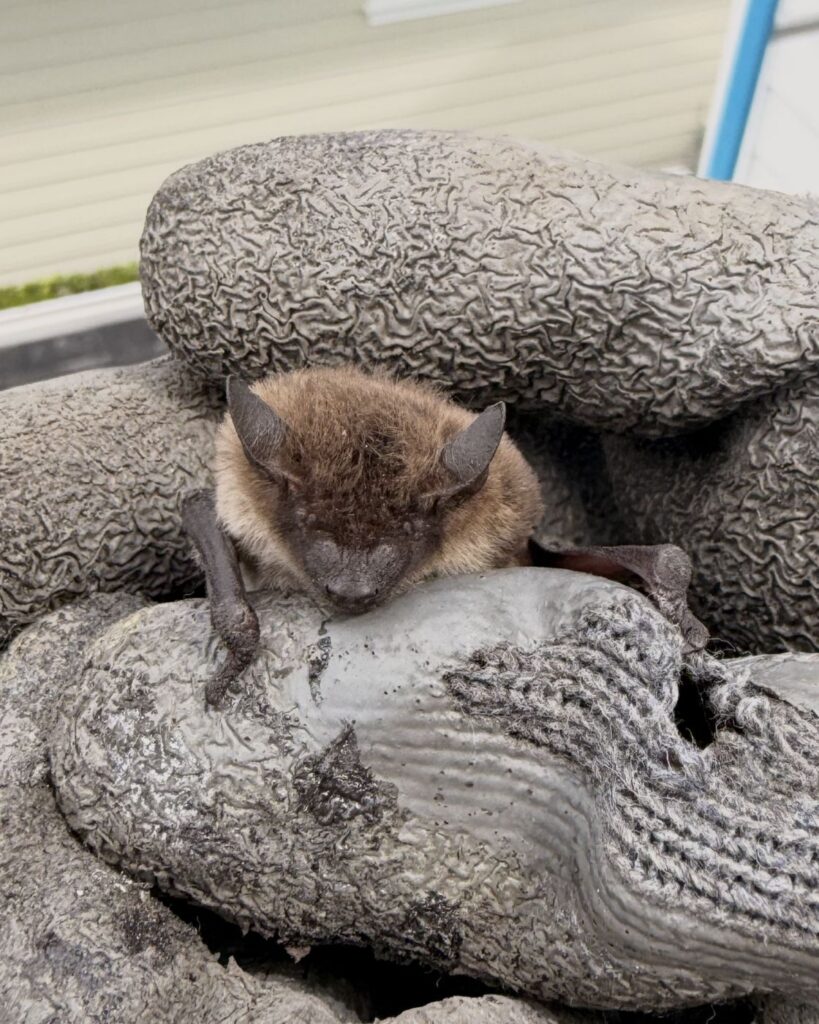
Bat Removal
Bat colonies tucked into tile or fascia gaps, excluded outside the April 15 to August 14 maternity season.
Rat Removal
Roof rats traveling palms and oak limbs, trapped inside the house and kept down outside with bait station boxes.
Wildlife Exclusion
Sealing vents, soffits and roof gaps worn by salt air and storm damage so animals can’t get back in.
Attic Cleanup & Remediation
Clearing droppings and soiled insulation, then sanitizing attics and crawl spaces once the animals are gone.
How our wildlife removal works on Merritt Island
Four steps, in this order. When a crew jumps straight to trapping, the animal usually finds another way in.
Inspection first
We walk the yard, check the roof line, soffits, vents and foundation, and go into the attic or crawl space. You get a clear picture of what is there and how it got in.
Humane removal
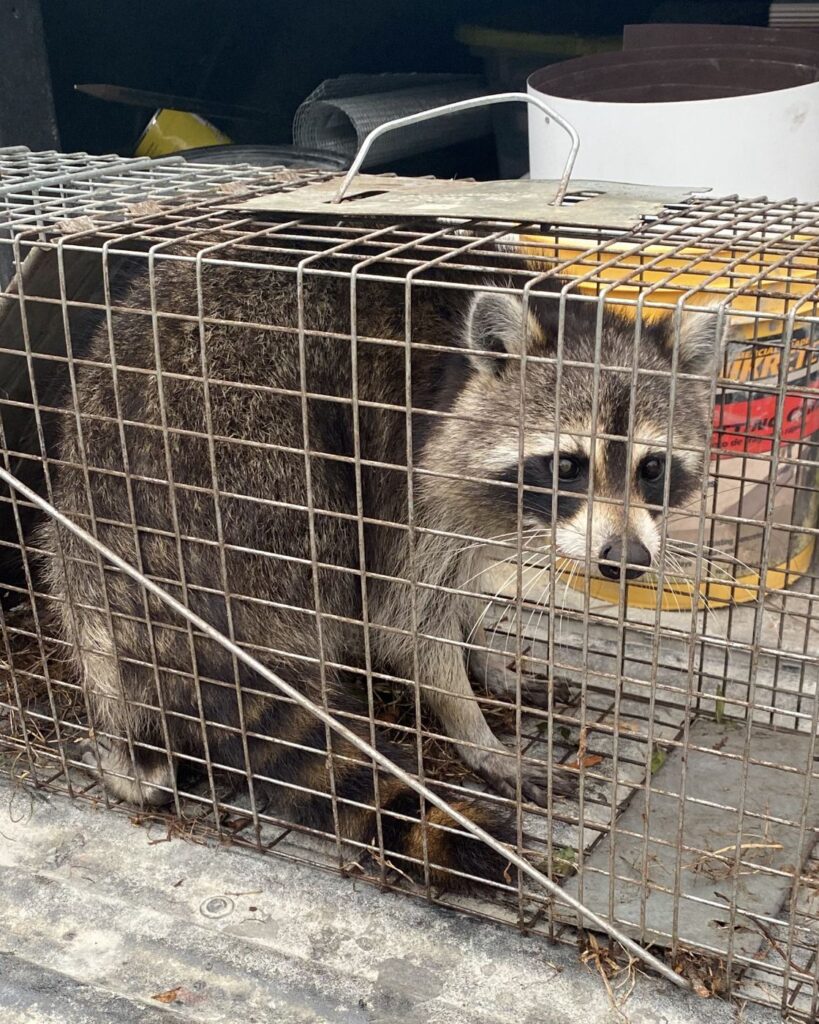
Depending on the animal, we use one-way doors so it leaves on its own, or live traps set along its travel path. We follow FWC rules and keep mothers and young together whenever possible.
Seal and reinforce
Once the animals are out, we close every opening with materials that stand up to chewing and salt air. That exclusion and sealing work is the part that keeps the next animal outside.
Clean and repair
If they left droppings, soaked insulation or a scent trail, we handle the attic cleanup and sanitizing and repair the screens, vents and wood they damaged.
Animals we pull off the island most often
The island gets a little of everything, but these calls come up most.
- Raccoons in attics, soffits and lanai roofs, often mothers with kits in spring
- Roof rats running palm fronds and oak limbs up to the roof
- Eastern gray squirrels chewing gable vents and fascia boards
- Opossums denning under decks, docks and sheds
- Armadillos digging beneath slabs, pool decks and walkways
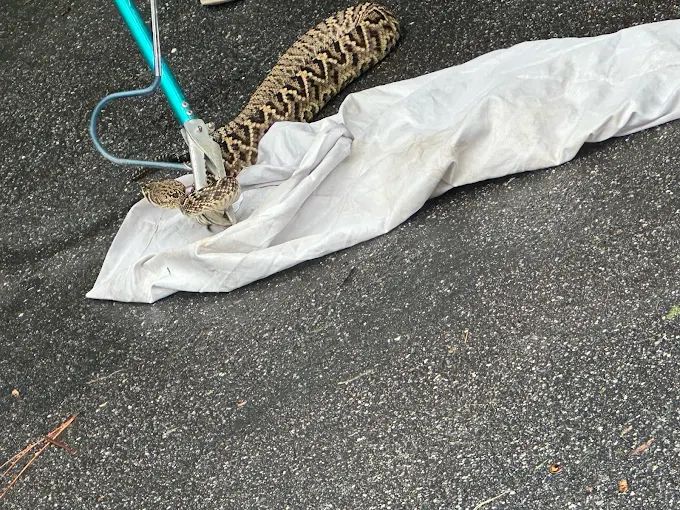
- Snakes near wood piles and seawalls, including the occasional venomous one
- Bats behind loose fascia or under tile, handled outside the spring and summer maternity window
What customers say after we leave
4.9
141 reviews on Google
★★★★★
RELIABLE! AFFORDABLE! KNOWLEDGEABLE! HONEST! From the first call to Annie to meeting Mike literally an hour later was remarkable. What started as a nightmare with a family of raccoons in my attic turned into a smooth successful experience. No need to shop around. I reached out to 4 other companies with higher prices and the inability to come asap. I will definitely recommend them to my friends and neighbors!
Gini AnthonyGoogle review
★★★★★
CritterGuys are the best! From my first positive interaction with Annie to my continued excellent service through Mike, CritterGuys have been superb! So far, they have quickly and professionally removed two raccoons and have set more traps in case more may follow. CritterGuys have been prompt, courteous, and professional. I will recommend them and call again if needed! Thank you, CritterGuys!
Michelle FabrizioGoogle review
★★★★★
Josh is excellent, very humane, takes all the time to explain, is never upset in the middle of a situation, and always has a reassuring answer. I recommend him 100%.
Jaylene EstradaGoogle review
Read every review on Google or see more Critter Guys reviews
Call when you first hear it
The least expensive wildlife job is the one caught early. One chewed vent is a quick fix; a season of raccoons living in the insulation is not. We’ve been doing Orlando wildlife removal and Space Coast work for over 25 years, and the early calls are always the easiest.
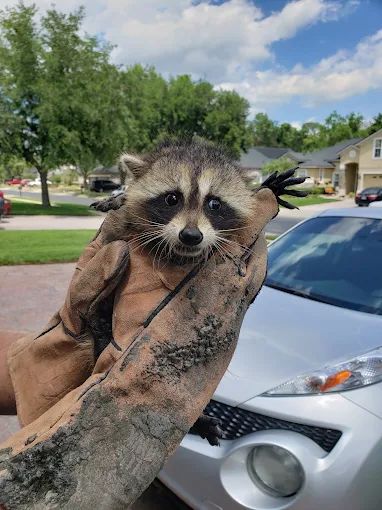
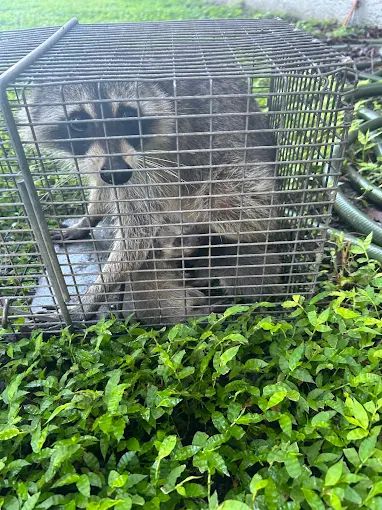
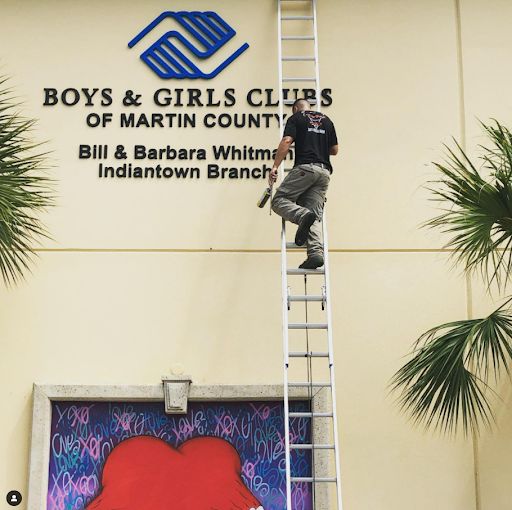
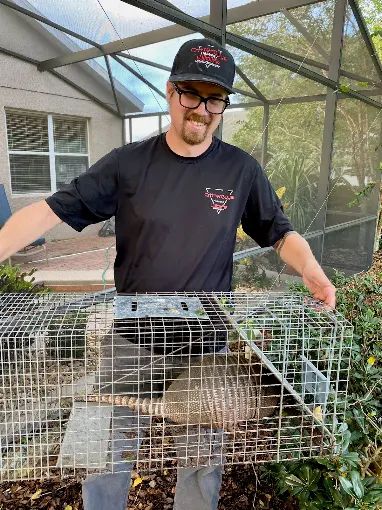
A few recent calls
Nearby Space Coast towns we serve
We also work just across the causeways in these cities.
Merritt Island wildlife removal FAQ
Have a question that isn’t here? Call or text (321) 203-6963 and we’ll help.
How much does wildlife removal cost on Merritt Island?
The price depends on the animal, how many entry points there are and how much sealing or cleanup the house needs. That’s why every Merritt Island job starts with an inspection. Once we’ve seen the property, you get a clear quote before any work begins.
Do you work near the wildlife refuge on north Merritt Island?
Yes, homes near the refuge and other conservation land are a regular part of our island work. Those lots tend to see more snakes, armadillos and opossums coming in from open land. We pay extra attention to sheds, slabs and gaps at ground level there.
Is it legal to trap a raccoon myself in Florida?
Trapping and relocating wildlife in Florida is governed by FWC rules, and it’s easy to get wrong. Raccoons are also one of the animals most often found with rabies here, so handling one carries real risk. We follow FWC rules on every job and treat the animal humanely from start to finish.
What draws raccoons to canal homes?
Water, food and easy climbing. Canal lots offer fish scraps, pet food, fruit and a seawall to travel along at night. Downspouts, pool cages and overhanging branches then give them a way onto the roof.
Can you stop armadillos from digging up my yard?
Yes. We trap armadillos humanely and help keep them from burrowing back under slabs, walkways and pool decks. Lots near open land see them most, so blocking their favorite digging spots matters as much as the removal.
How soon should I call after hearing noises in the attic?
Right away. Animals settle in fast, and in spring a raccoon or squirrel mother may already be preparing a nest. An early inspection usually means less damage to clean up and repair.
Get Merritt Island wildlife handled the right way
Call or text (321) 203-6963, or fill out the form. We’ll inspect your island home and tell you exactly what we find.