
Raccoon removal in Orlando, FL
Raccoon removal in Orlando that gets the animal out of your attic or soffit humanely, keeps a mother with her kits, and closes the hole so the next raccoon can’t move in.
- Mothers and kits stay together
- 25+ years of humane work
- Entry points sealed after
Tell us what you're hearing
Tell us what you are hearing or seeing. We will get back to you, set up a visit and give you a straight answer on what it takes.
- Firm quote before any work starts
- Call, text or email, your pick
- Licensed and insured in Florida
Quick answer. Critter Guys handles raccoon removal across Orlando, FL, from attics and soffits to crawl spaces, sheds and the occasional chimney. We find how the raccoon got in, remove it with humane trapping or one-way methods that follow FWC rules, keep mothers and kits together whenever possible, then seal and repair the entry point. To have us look at your Orlando roof line, call or text (321) 203-6963.
Signs a raccoon is living in your Orlando home
Raccoons are not quiet tenants. Most Orlando homeowners notice one of these first, usually after dark.
Heavy thumping overhead
Squirrels skitter. A raccoon sounds more like a person crawling across the ceiling, often around dusk and again before sunrise.
Chirping and chattering in spring
High, bird-like chirps from the attic or a wall in March, April or May usually mean a mother with kits.
A torn soffit or bent vent
Look up at the corners of the roof. Raccoons pull soffit panels down, rip screened vents and peel back roof returns with their hands.
Muddy smudges on the stucco
Dark smears and scratch marks on a downspout, a corner of the house or the pool cage frame show you their climbing route.
A strong ammonia smell
Raccoons pick one spot in the attic as a toilet. Up there in Florida heat, that latrine gets noticeable fast.
Tipped cans and rolled-back sod
Yard damage often comes before the attic noise. If a raccoon is feeding in your yard every night, its den is usually close by.
Why Orlando raccoons end up in attics
Orlando gives raccoons almost everything they want. Water is never far, with lakes, retention ponds and creek corridors running through nearly every part of the city. Food is easy: garbage cans, pet bowls on the lanai, fallen fruit, koi ponds and bird feeders. What they’re short on is a dry, protected den, and a dark attic over a block home fits the bill.
Most raccoons we pull out of Orlando houses came in from the roof, not the ground. They climb a corner of the house, a downspout or an oak limb, then go to work on the weakest spot they can reach.
Roof returns and soffits
The roof return, where a lower roof line meets a wall, is the most common raccoon door we see. Builders often leave a gap behind the fascia there, and a raccoon can pry it open in a night. Vinyl and aluminum soffit panels come second, since they push up and out of their channel with very little effort.
Spring is denning season
Raccoon mothers often choose attics and soffits to raise kits in spring. That’s when our phone gets busy, and it’s also when a careless removal goes wrong. Take the mother and leave the kits, and you end up with a crying, starving litter in the ceiling and a mother tearing at the roof to get back to them.
Lanais, crawl spaces and sheds
Not every raccoon lives in the attic. Older Orlando homes on crawl spaces, sheds with a gap under the floor, and torn pool cage screens all give them a place to settle or a way onto the house.
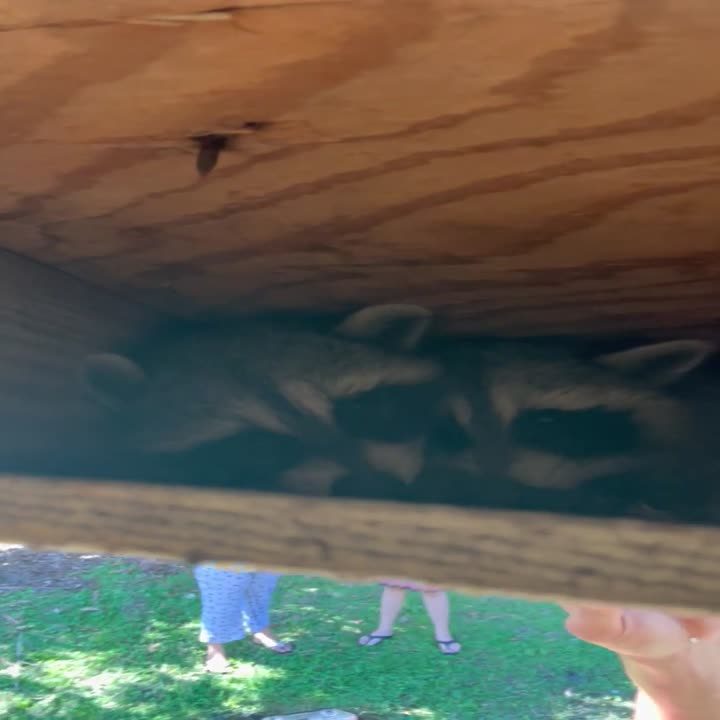
What a raccoon den under a deck looks like
Raccoons pick dark, dry spots close to food and water, and a low deck or shed floor checks every box. A flashlight and a quick look are often all it takes to confirm them.
If you spot something like this, keep pets back and call or text us. We handle the removal and the repair.
Raccoon pressure around Orlando’s lakes and creeks
Raccoons follow water, and Orlando has plenty of it. Homes on the lakeside streets of College Park, near Lake Underhill and Lake Conway, or backing up to the Little Econlockhatchee River on the east side tend to see more raccoon traffic than a lot in the middle of a dry subdivision. Neighborhoods with big retention ponds and drainage ditches see the same thing, since raccoons use those as travel lanes at night.
Housing plays a part too. The older bungalows in College Park, Delaney Park and Colonialtown often sit on crawl spaces and have aging wood soffits. Newer two-story builds in Lake Nona and Avalon Park have busy rooflines with lots of roof returns. Both give a raccoon options. We’re based up in Fern Park, just north of the city, so raccoon jobs here are part of the wildlife removal we do every week around Orlando. The same work runs out to Apopka, Clermont and the rest of Central Florida.
Local snapshot
- Orange County
- Lakes in nearly every neighborhood
- Little Econ River on the east side
- Based nearby in Fern Park
Raccoon removal in other Central Florida cities
Raccoons are a problem well beyond Orlando, and our crew handles them across the whole region. That includes the Orlando suburbs, Tampa Bay, Polk County and the Space Coast. Pick your city below for local details.
Greater Orlando
Tampa Bay
- Raccoon removal in Tampa
- Raccoon removal in St. Petersburg
- Raccoon removal in Clearwater
- Raccoon removal in Brandon
- Raccoon removal in Spring Hill
- Raccoon removal in Riverview
- Raccoon removal in Largo
- Raccoon removal in Wesley Chapel
- Raccoon removal in Palm Harbor
- Raccoon removal in Pinellas Park
- Raccoon removal in Plant City
How our raccoon removal works, start to finish
Every job follows the same order. Skipping a step is how people end up with a second raccoon a month later.
Full inspection
We walk the roof line, check the attic and find every opening, including the ones the raccoon hasn’t found yet. If kits are likely, we look for them.
Humane removal
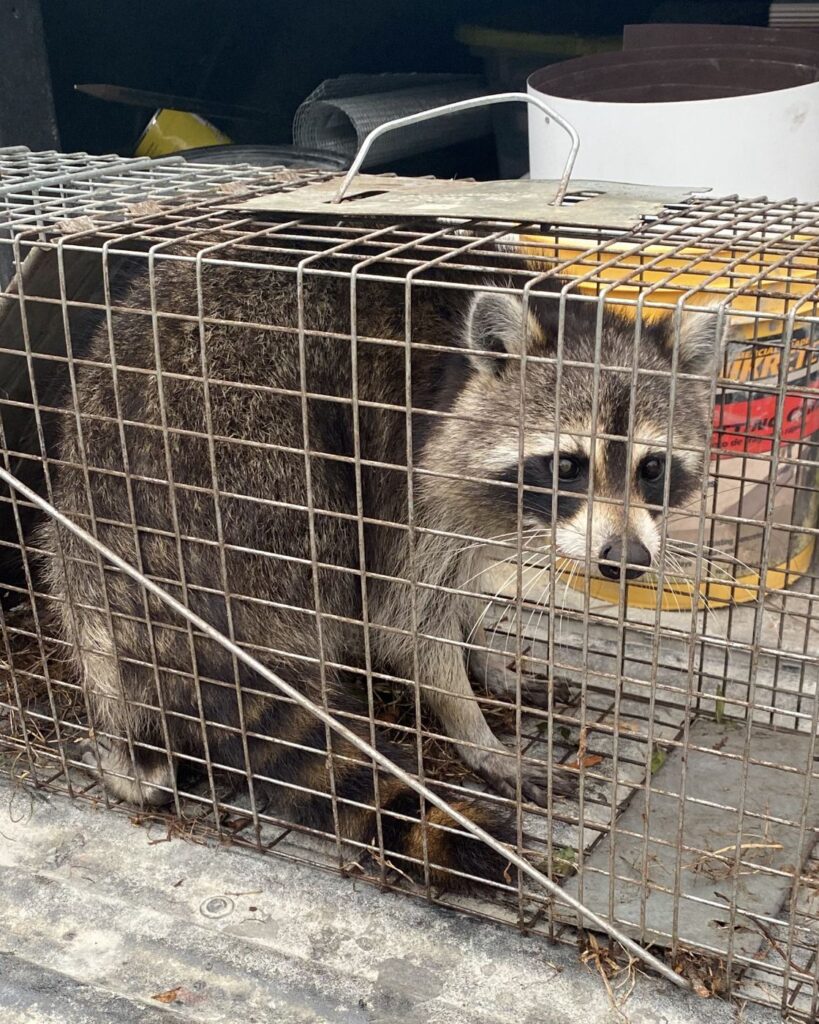
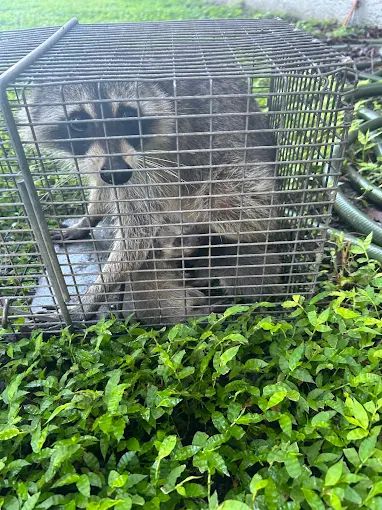
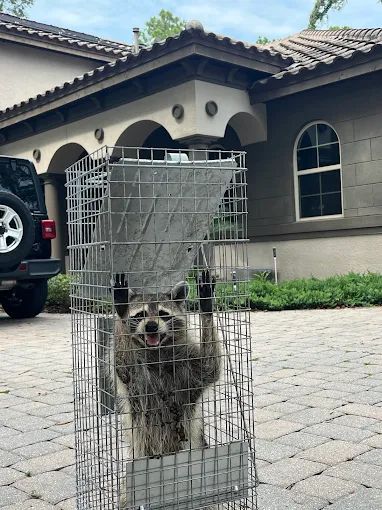
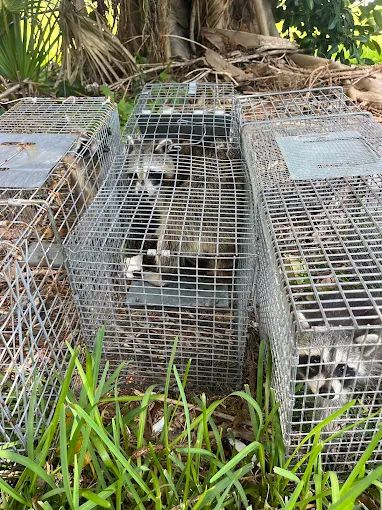
Depending on the setup, we use live traps placed at the entry or a one-way door that lets the raccoon leave and blocks it from coming back. Everything follows FWC rules.
Keep the family together
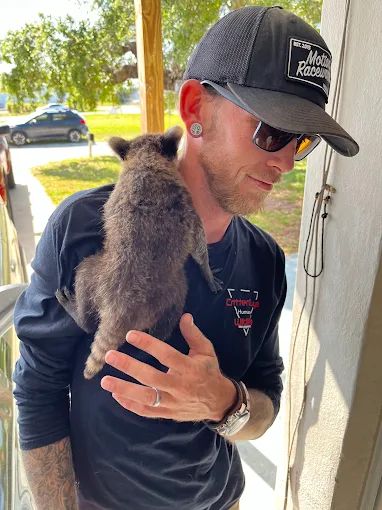
When there’s a litter, we locate the kits by hand and, whenever possible, reunite them with the mother instead of leaving them behind in the soffit.
Seal and repair
Once the house is clear, we close the entry with heavy-duty materials and fix the soffit, fascia or vent the raccoon tore up. Our whole-house exclusion work covers the rest of the roof line so a different animal doesn’t find the next weak spot.
Deal with the mess
Raccoon latrines and soiled insulation stay behind after the animal leaves. Attic cleanup and sanitizing takes care of that part.
A few recent calls
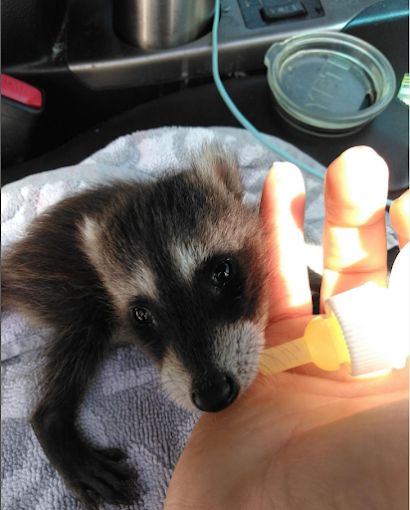
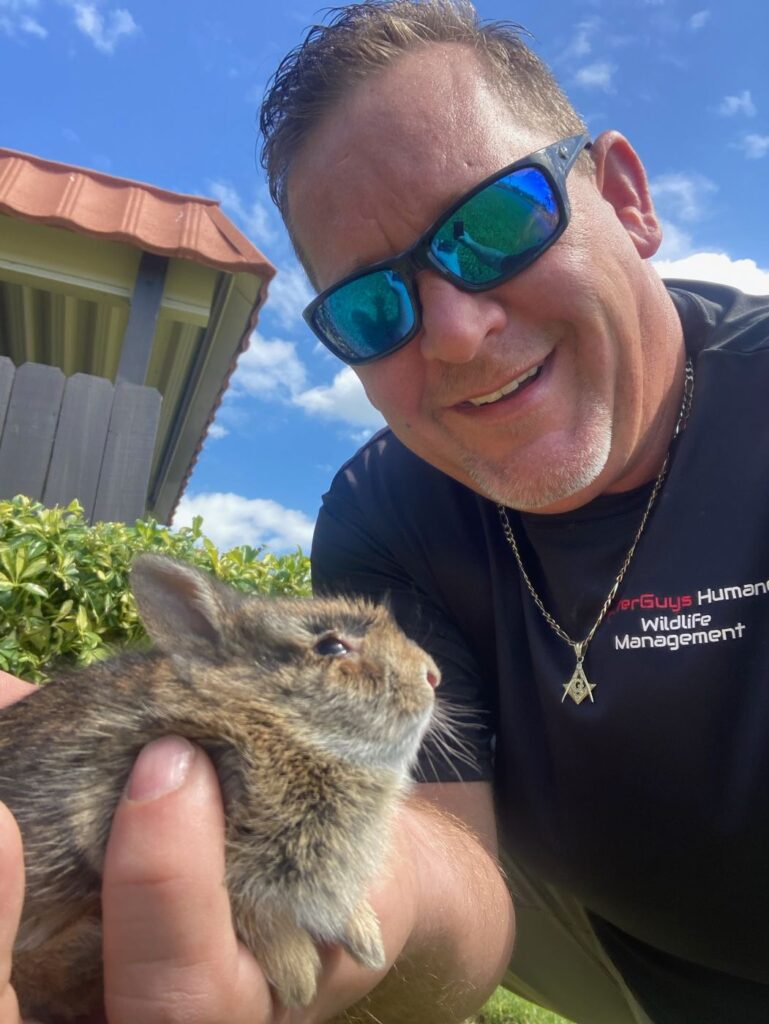
Trapping it yourself vs. calling a crew
Plenty of Orlando homeowners try to handle a raccoon on their own first. Here’s where that tends to go sideways.
| What DIY usually looks like | What we do instead |
|---|---|
| A trap on the lawn catches the neighbor’s cat | Traps go at the entry the raccoon is actually using |
| The hole gets sealed with the raccoon still inside | We confirm the attic is empty before anything is closed |
| Kits get left behind in the soffit | We search for young and keep the family together |
| Mothballs, lights or a radio in the attic | Physical exclusion that works whether the raccoon is annoyed or not |
| Moving the animal without knowing the rules | Handling and release that follow FWC rules |
Heard from homeowners we’ve helped
4.9
141 reviews on Google
★★★★★
We had a raccoon who preferred to use our pool and back yard as a personal toilet. After trying the usual internet suggestions we called Kevin the Critter Guy. The first night the trap was set the raccoon was caught. The bad news? It was so big that the trap was forced open in 15″. Over the next several weeks we added traps, tried different baits and different locations to no avail. Kevin never gave up and ultimately used red fox urine. It hasn’t been back since. When a service goes as planned it’s an easy job. The true test? What is the response when it’s not easy. Kevin never backed off and ultimately the raccoon is gone. Highly recommended.
Paul MurgoGoogle review
★★★★★
RELIABLE! AFFORDABLE! KNOWLEDGEABLE! HONEST! From the first call to Annie to meeting Mike literally an hour later was remarkable. What started as a nightmare with a family of raccoons in my attic turned into a smooth successful experience. No need to shop around. I reached out to 4 other companies with higher prices and the inability to come asap. I will definitely recommend them to my friends and neighbors!
Gini AnthonyGoogle review
★★★★★
These guys took care of a pest problem we had in our community of townhomes outside of downtown Orlando. Extremely effective, highly professional, and overall pleasant & fair.
Ryan HoestenGoogle review
Read every review on Google or see more Critter Guys reviews
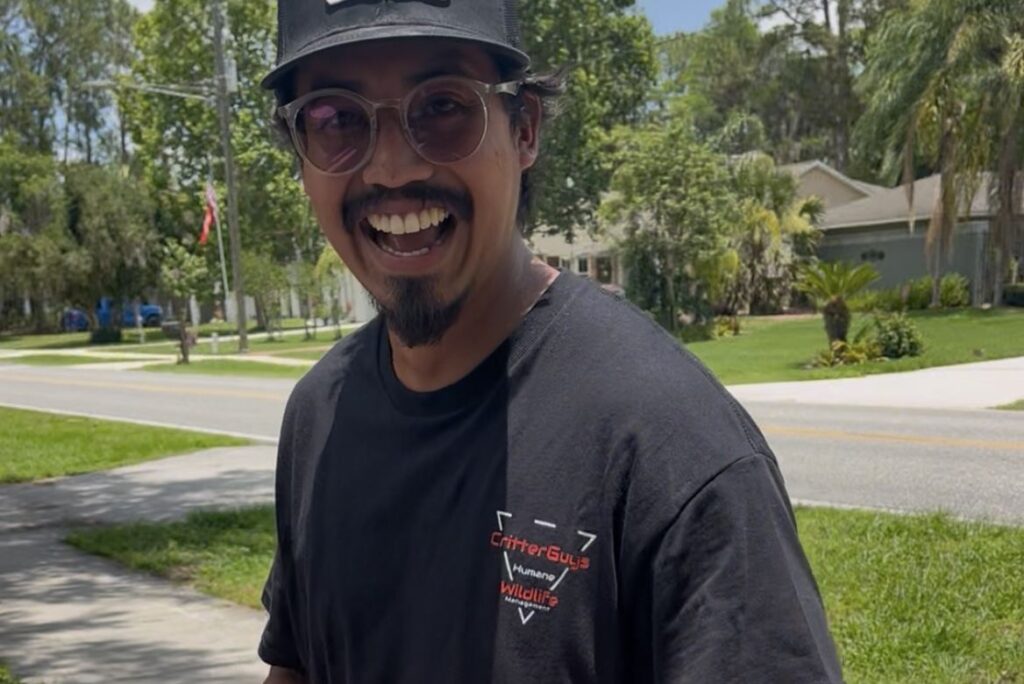
Never corner a raccoon in the garage
Most raccoons are healthy, but they’re one of the animals most often found with rabies in Florida, and a cornered one will defend itself. Leave it a path out, keep kids and pets inside, and call or text us.
Where to find us in Fern Park
Critter Guys Humane Wildlife Management
610 Fellowship Dr, Fern Park, FL 32730
(321) 203-6963
Call or text
Other wildlife services in Orlando
Orlando raccoon removal FAQ
Have a question that isn’t here? Call or text (321) 203-6963 and we’ll help.
How much does raccoon removal cost in Orlando?
It depends on the job, so we quote after seeing the house. The price comes down to how many entry points there are, whether a mother and kits are involved, how much repair the roof line needs, and whether the attic needs cleanup. You’ll know the plan and the number before any work starts.
How long does it take to get a raccoon out of the attic?
It varies from one raccoon to the next. Some walk into a trap or out a one-way door the first night or two, while others are slow to commit. A mother with kits can take longer because we time the removal so the family leaves together.
Can I trap and relocate a raccoon myself in Florida?
Raccoon trapping and relocation in Florida falls under FWC rules, so it isn’t a casual weekend project. It’s also easy to catch the wrong animal or split a mother from her kits. We follow FWC rules on every job, so that part is handled for you.
Are raccoons in the attic a health risk?
They can be, mostly through what they leave behind. Raccoon latrines can carry raccoon roundworm, and raccoons are among the animals most often found with rabies in Florida. Don’t handle the droppings or the animal yourself, and keep pets away from the area until it’s cleaned.
Will another raccoon move in after you remove this one?
Not if the openings are sealed properly. Raccoons return to dens they know, and others follow the scent, which is why we close and reinforce the entry and check the rest of the roof line before we call the job done. A soft spot left elsewhere is how a second raccoon gets in.
Do you get raccoons out from under sheds and crawl spaces?
Yes. Older Orlando homes on crawl spaces, sheds and decks are common raccoon spots. We remove the animal and then close off the gap with wire or a solid barrier so it can’t dig its way back under.
Get the raccoon out and the roof closed up
Call or text (321) 203-6963 or send the form, and we’ll set up an inspection at your Orlando home.