
Bat removal in St. Cloud, FL
Bat removal in St. Cloud often starts on a summer evening by the lake, when someone notices small dark shapes dropping out of the eave at dusk. We get colonies out by exclusion, on the legal calendar, and seal the roof after.
- One-way exclusion only
- Never during pup season
- Guano cleaned and sanitized
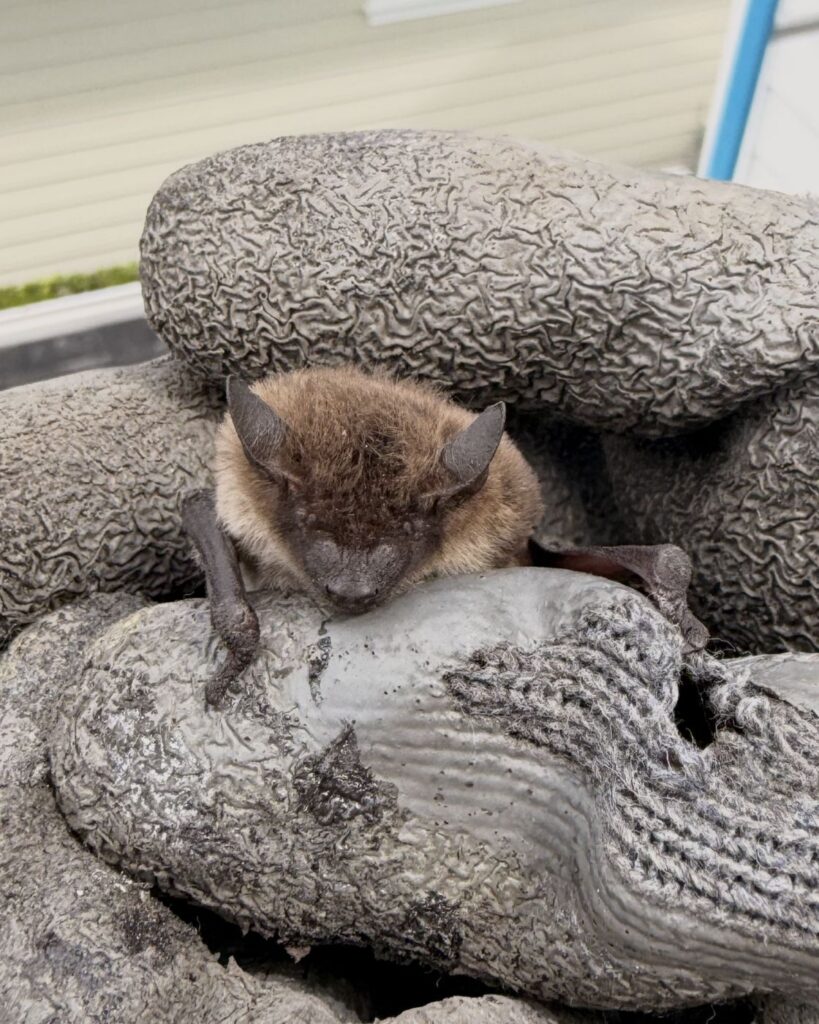
Bats at your St. Cloud home
Tell us what you are hearing or seeing. We will get back to you, set up a visit and give you a straight answer on what it takes.
- Firm quote before any work starts
- Call, text or email, your pick
- Licensed and insured in Florida
Quick answer. Humane exclusion is how Critter Guys handles bat removal in St. Cloud, FL. We locate the roost and the gaps the colony uses, install one-way devices so the bats leave to feed and can’t come back, then seal the openings and clean the guano. Florida protects its bats, so this work is never done from April 15 to August 14. To book a St. Cloud bat inspection, call or text (321) 203-6963.
How you know bats are roosting in the roof
Bats are quiet and tidy compared to most attic animals, so the clues are easy to miss. Here’s what to watch for around St. Cloud.
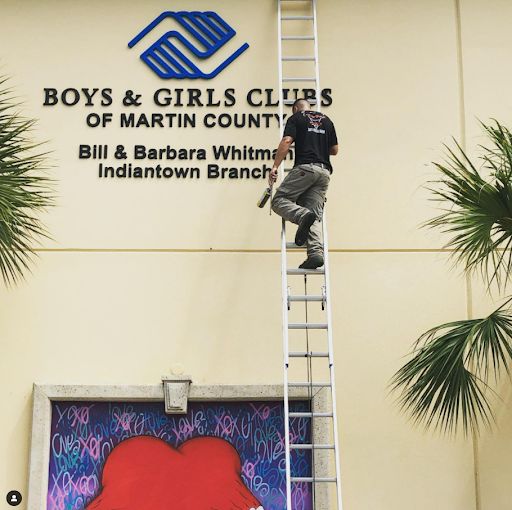
A dusk fly-out
Around sunset, bats leave the roost in a stream or a few at a time from one spot. Watching the roof line for 20 minutes is the best test there is.
Dark pellets under one spot
Guano gathers on the ground, a window ledge or the lanai below the entry. It crumbles to a shiny powder because it’s mostly insect shells.
Brown smudges at a crack
Oils from their fur leave dark stains around the gap they squeeze through every night.
Squeaks from the wall or eave
On warm afternoons, a colony can make faint chirping or rustling sounds from inside a wall, soffit or the space under tile.
An ammonia smell
A large or long-term colony gives off a sharp odor, especially in summer heat.
Why bat timing matters so much in St. Cloud
All Florida bats are protected, and FWC rules close bat exclusion during maternity season, April 15 through August 14. Those are the months when colonies are raising pups that can’t fly. Seal the gaps then and the young are trapped inside to die, which is both illegal and the worst outcome for your attic.
That means late summer and fall are the busy time for bat work in St. Cloud, starting August 15, along with the cooler months before mid-April. If you spot bats in May or June, call anyway. We’ll inspect now, map the roost and have the job lined up for the first day exclusion is allowed.
Don’t touch a grounded bat
Along with raccoons and foxes, bats rank high on Florida’s rabies list. If one ends up on the ground, in the pool or inside the house, keep kids and pets away and don’t pick it up bare-handed.
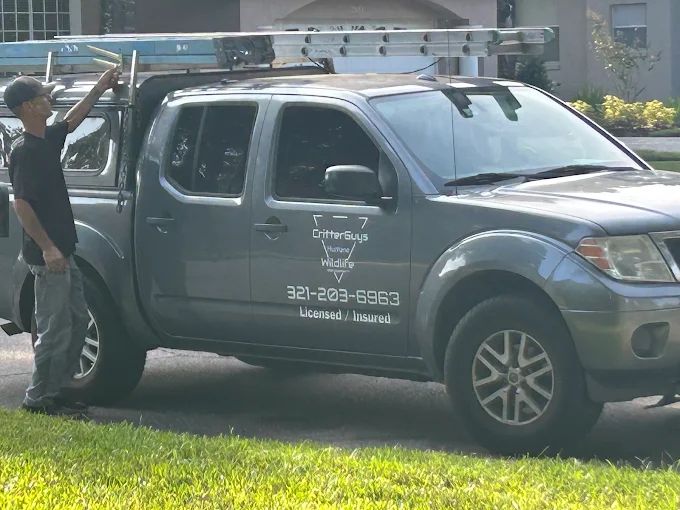
Out in the field
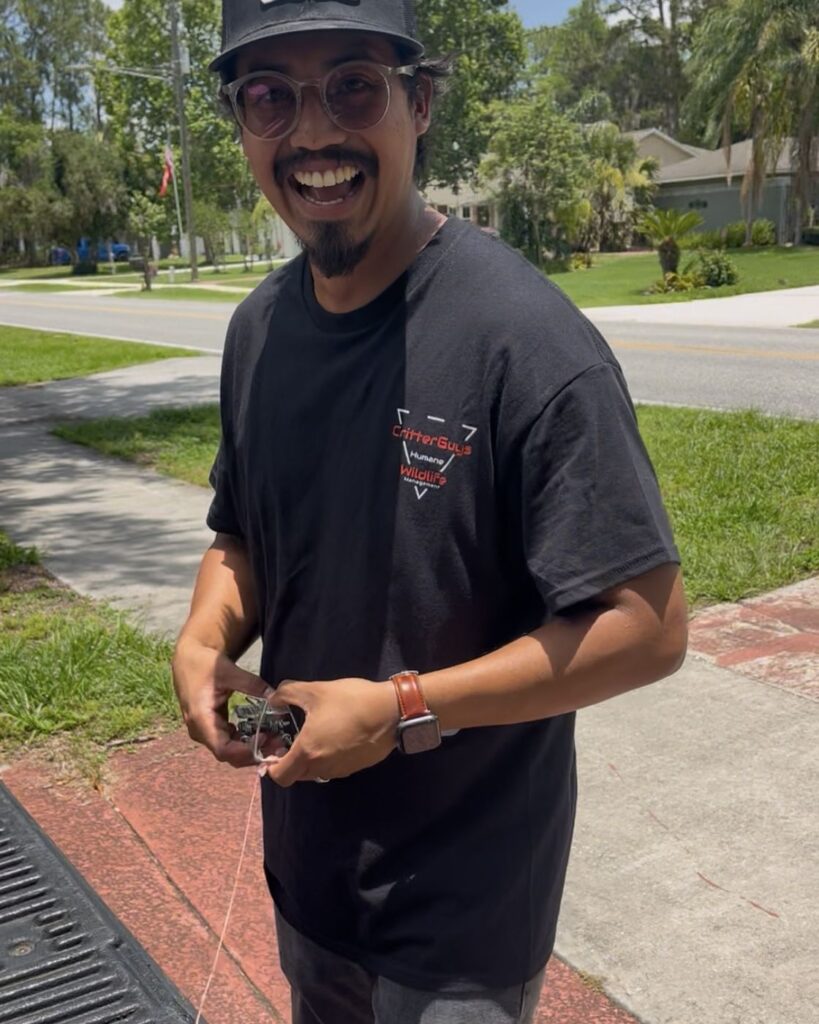
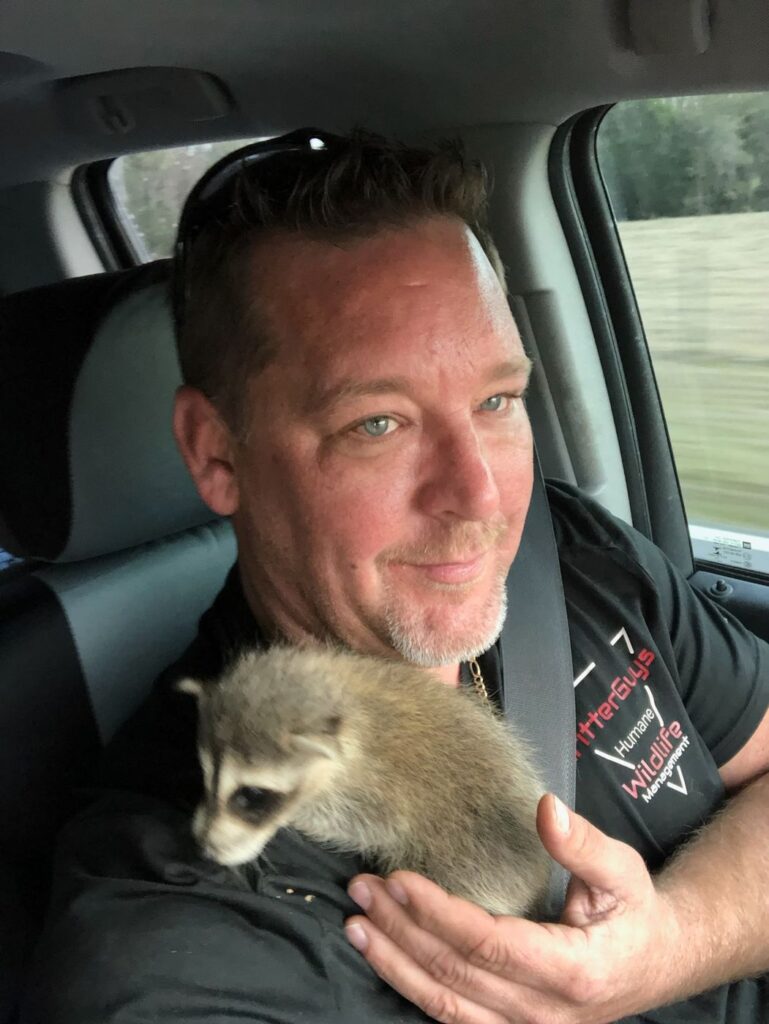
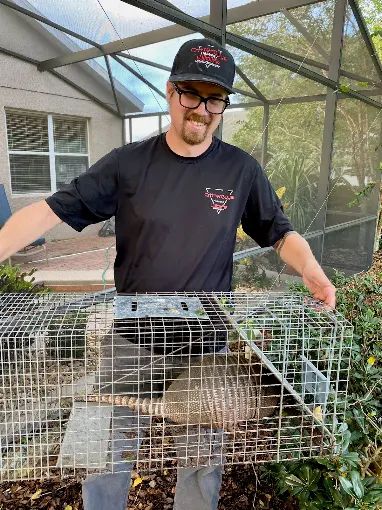
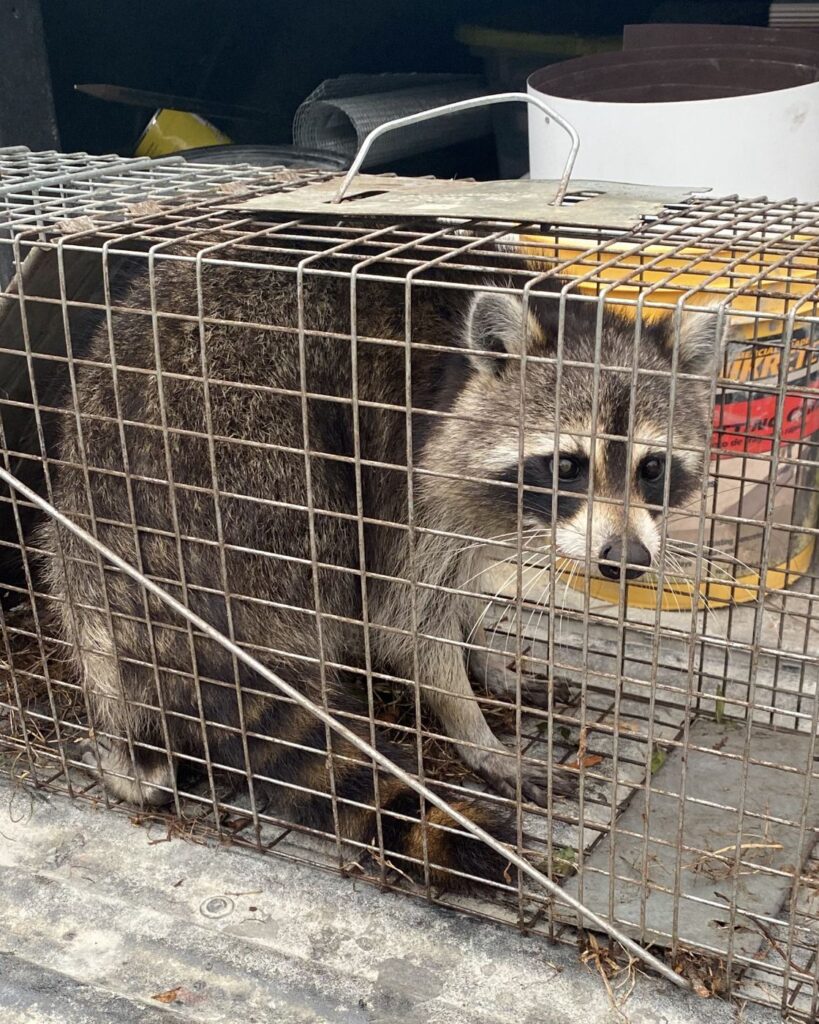
Bat removal near East Lake Toho
Bats eat insects, and East Lake Tohopekaliga puts out a lot of them. The lake’s marshy edges, plus the wetlands at Peghorn Nature Park and around Lake Lizzie, give St. Cloud bats rich feeding at dusk, and the homes within a short flight of that water give them places to roost.
The two species we see most in Florida buildings are Brazilian free-tailed bats and evening bats. Here they tuck into barrel tile on newer homes, gaps behind fascia boards, soffit vents and cracks around chimneys and siding on the older houses near downtown. Our St. Cloud animal removal page lists the other animals we see near the lake.
Around St. Cloud
- Insect-rich East Lake Toho shoreline
- Wetlands at Peghorn and Lake Lizzie
- Tile roofs on newer east-side homes
- Older wood homes near downtown
St. Cloud homeowners on our bat work
4.9
141 reviews on Google
★★★★★
Josh from the Critter Guys did an excellent job explaining the process for removal of bats. He emphasized the humane aspect by coming back several times to ensure that all the bats were no longer on our property. He then sealed all opening to our soffit and removed the bat trap. Josh went beyond what we expected. When we called to provide updates he always answered and listened to us. I highly recommend this company and a huge shout-out to Josh. Thank you Critter Guys Humane wildlife services for a job well done.
Joe RaspantiGoogle review
★★★★★
These guys took care of a pest problem we had in our community of townhomes outside of downtown Orlando. Extremely effective, highly professional, and overall pleasant & fair.
Ryan HoestenGoogle review
★★★★★
Definitely recommend Craig with Critter Guys! Professional and courteous ⭐⭐⭐⭐⭐
S CGoogle review
Read every review on Google or see more Critter Guys reviews
St. Cloud bat removal, from roost to seal
Exclusion has to be done in order. Skip a step and bats end up in the house instead of out of it.
Inspect and find every gap
We locate the main roost entry and every crack bats could use. A bat needs only a small slit, so this takes a slow, close look.
Close the minor openings
We shut every crack but the ones the bats actually fly from, which pushes the whole roost toward a few exits we can control.
Hang one-way devices
Netting, valves or tubes go over the exits. When the bats leave at dusk to hunt, they can’t get back in.
Seal and clean
With the roost empty, we pull the devices and close those final exits permanently. Then guano is removed and the area sanitized through our St. Cloud attic cleanup.
Bat jobs that go wrong without a pro
Most of the bat calls we get after a DIY attempt involve one of these. Our main Orlando bat removal page goes deeper on why.
- Sealing the gap in daylight with the colony inside
- Working in June or July with flightless pups in the roost
- Using spray foam that bats push right through
- Missing secondary cracks, so bats move to a new spot
- Sweeping up guano without a mask
- Trying poison or repellents, which don’t work and aren’t legal
Bat removal in nearby towns
Other wildlife services in St. Cloud
St. Cloud bat removal questions, answered
Still wondering about something? Call or text (321) 203-6963.
What does bat removal cost in St. Cloud?
The quote reflects how many bats are roosting, the number of openings to close, the type and height of the roof and how much guano needs cleaning. We’ll inspect first and give you a clear quote based on your house.
Can bats be removed from my St. Cloud home in July?
No. July falls inside Florida’s bat maternity season, which runs April 15 through August 14, and exclusion isn’t allowed then. We can inspect and plan the job in July and start on August 15.
Should I worry about my family’s health with bats over the garage?
Worry isn’t needed, but some caution is. Bats are a known rabies carrier in Florida, and old guano can harbor the fungus that leads to histoplasmosis. With exclusion and proper cleanup, the risk goes away along with the bats.
Why are there bats in my brand-new St. Cloud house?
New homes often have small gaps at tile ends, roof returns and soffit seams that bats can squeeze through. If the house is close to East Lake Toho or a wetland, there’s plenty of food nearby, so a dry gap in your roof line is all they need.
Will you clean up the guano after the bats are out?
Yes. Once the colony is excluded and the gaps are sealed, we remove guano and soiled insulation and sanitize the area. Cleaning before exclusion makes no sense because the bats would keep adding to it.
Get on the bat schedule now
Call or text (321) 203-6963, or send the form, and we’ll set up a bat inspection at your St. Cloud home.