Wildlife exclusion in St. Cloud, FL
Wildlife exclusion in St. Cloud looks different on a 1920s house by the lake than on a two-year-old home off Narcoossee Road. We seal what your house actually has, so animals that want in can’t find a way.
- Old homes and new builds
- Crawl spaces and roof lines
- Existing damage repaired too
Keep critters out in St. Cloud
Tell us what you are hearing or seeing. We will get back to you, set up a visit and give you a straight answer on what it takes.
- Firm quote before any work starts
- Call, text or email, your pick
- Licensed and insured in Florida
Quick answer. For wildlife exclusion in St. Cloud, FL, Critter Guys seals and reinforces homes and commercial buildings to keep raccoons, squirrels, rats, bats, opossums and armadillos out. We inspect the roof line, attic, vents and foundation, close each opening with durable materials and repair existing damage. Prevention is always our first recommendation. Call or text (321) 203-6963.
Why prevention comes first in St. Cloud
Every removal job we do ends the same way: closing the gaps. Exclusion is that last step done on its own, before an animal ever gets inside. It’s the most cost-effective wildlife work there is, because there’s no trapping, no cleanup and no chewed wiring to deal with.
St. Cloud is a good place to think about it early. The city has grown fast, much of it on land that was pasture, flatwoods and wetland edge not long ago, and the animals that lived there are still around. Meanwhile the older homes downtown have had decades to develop soft wood and loose screens. Either way, the house you’re in has openings, and we’d rather find them before something else does.
Sealing a 1920s home vs. a new build
On the older homes in the grid between US 192 and the lake, a lot of the work is low. Raised floors, foundation vents, lattice and porch skirting need screening so opossums, rats and raccoons can’t den underneath. Up top, wood soffits and gable vents often need reinforcing.
On newer block homes, the walls are solid but the roof line is where builders left gaps: roof returns, soffit seams, plastic vents and tile ends. Squirrels and rats find those first. If they already have, our St. Cloud raccoon removal or rodent work comes before sealing.
- Older homes: foundation screening and skirting
- Older homes: soft fascia, gable vents, chimney caps
- New builds: roof returns and soffit seams
- New builds: plastic vents, plumbing boots, tile ends
- All homes: AC line chases and garage door gaps
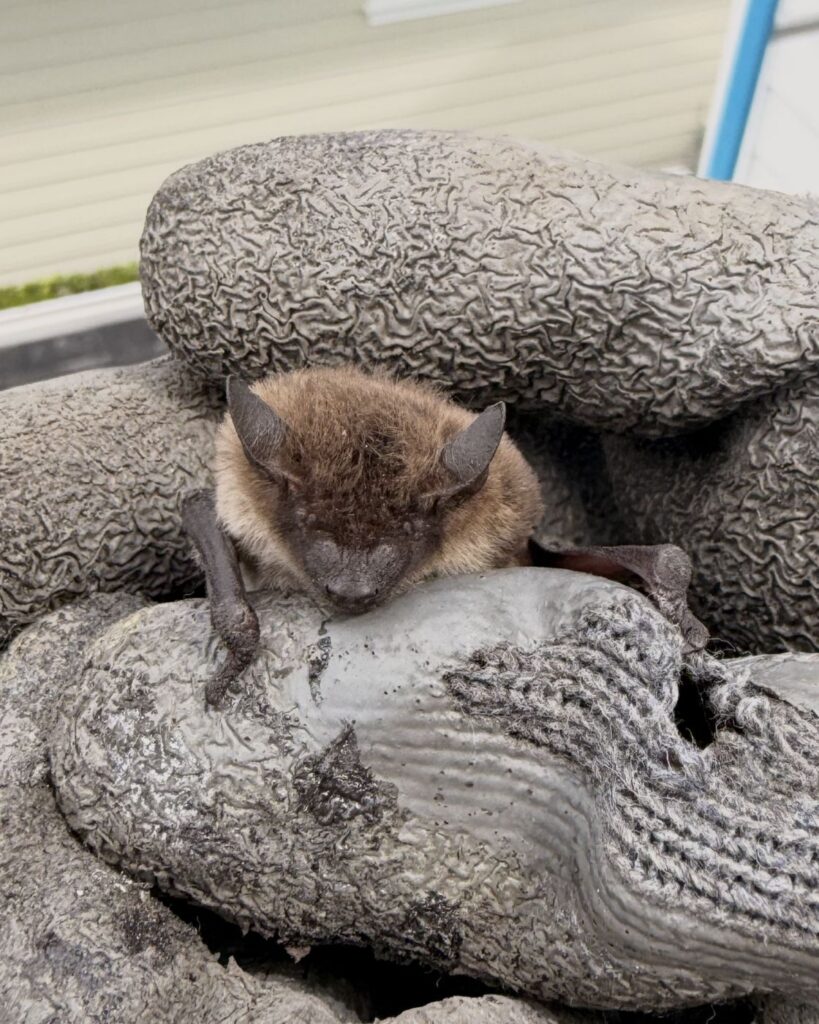
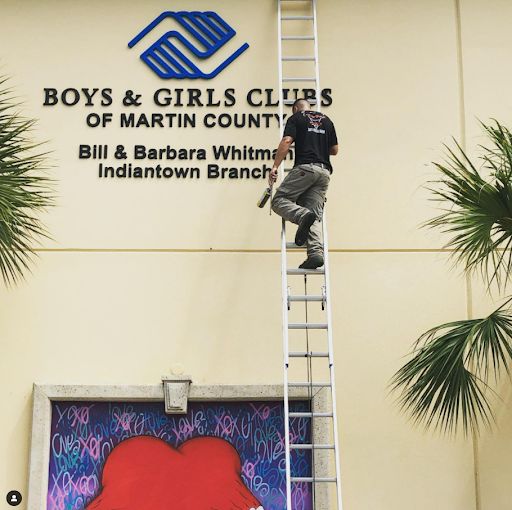
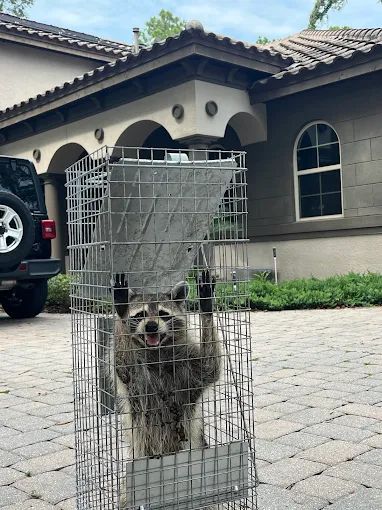
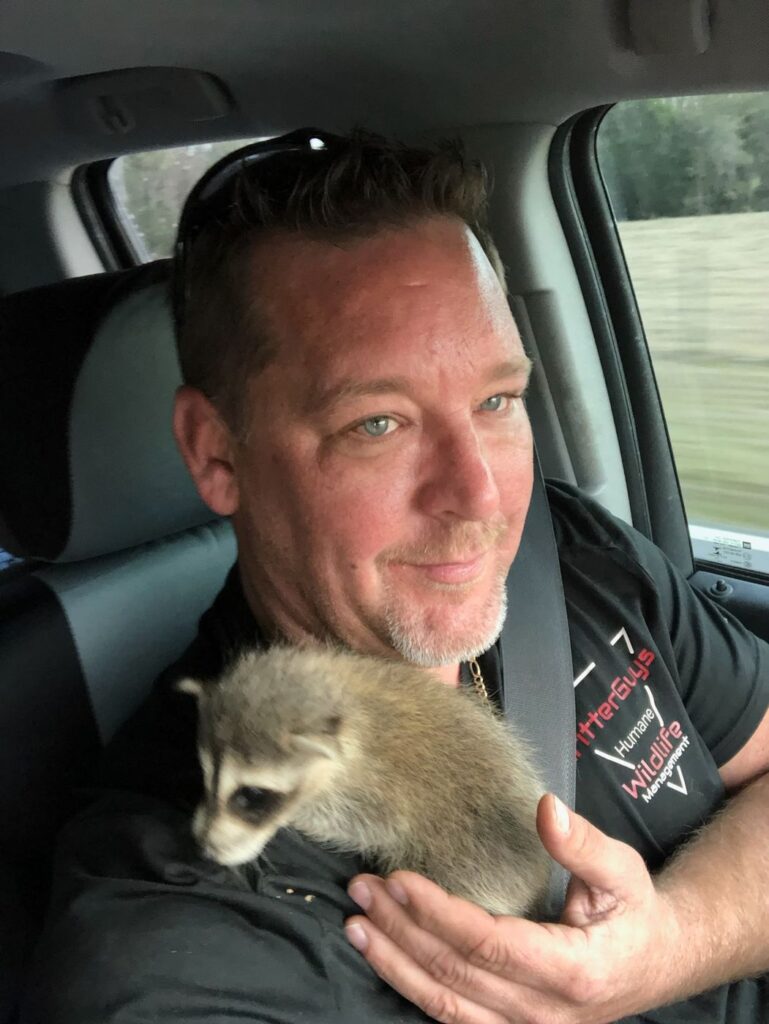
On the job
Our St. Cloud wildlife exclusion process
Good exclusion is thorough and patient. This is how we work through a house.
Full inspection
Roof, attic, soffits, vents, foundation and outbuildings. We note every opening and show you what we found.
Make sure it’s empty
We never seal an animal inside. Anything living in the attic or crawl space comes out first, humanely, with mothers and young kept together.
Seal and reinforce
We close openings with metal mesh, hardware cloth, flashing and sealant chosen for the spot, and screen vents so the attic still breathes.
Repair the damage
Gnawed fascia boards, split soffit panels and cracked vent covers are rebuilt so the seal holds up. If animals left a mess inside, our attic cleanup in St. Cloud handles it after.
Wildlife exclusion near the lake, the preserves and the pastures
Where your house sits changes what we prioritize. Homes along East Lake Toho and the neighborhoods behind Lakefront Park deal with raccoons and bats coming off the water. Properties near Peghorn Nature Park, Lake Lizzie Conservation Area or any retention pond get more opossums, snakes and armadillos, so the foundation and slab edge matter more.
On the east side, many neighborhoods border open land, and armadillos dig under slabs, walkways and pool decks there. Ground-level barriers and closing gaps under steps and AC pads help. Our St. Cloud animal removal page covers which animals turn up in each part of town.
St. Cloud at a glance
- Raccoons and bats near East Lake Toho
- Preserve edges at Peghorn and Lake Lizzie
- Armadillo digging along east-side slabs
St. Cloud customers on sealing and prevention
4.9
141 reviews on Google
★★★★★
Craig from critter guys was absolutely wonderful!!! He was so kind and most important very honest about what he found and DIDN’T FIND in our attic. He took pictures to show trouble areas that should be addressed to prevent any future problems and didn’t try to sell us on a bunch of stuff that didn’t need to be done by his company. THANK YOU CRAIG FOR BEING A HONEST and REPUTABLE COMPANY!!! ❤️
Linda WilliamsGoogle review
★★★★★
Nelson from CritterGuys provided great service today! He was professional, and explained everything very well and helped us and the neighbor with a rat problem on the patio. He also inspected the attic, roof and exterior of the house, sealed a space on the roof, and added bait station boxes. Great service! Highly recommended!
Aura NicolaeGoogle review
★★★★★
We had a huge yellow jacket nest in a palm and Craig was able to get it taken care of immediately. A+++
Lauralee WestineGoogle review
Read every review on Google or see more Critter Guys reviews
Signs your St. Cloud home has open entry points
You don’t have to hear an animal to know there’s a gap. These are worth a closer look.
Daylight in the attic
If you can see light at the eaves or around vents from inside the attic, an animal can find that opening too.
Sagging or separated soffit
Soffit panels that hang down or pull away from the fascia are an open door for squirrels and rats.
Torn lattice or skirting
Gaps under a raised home or porch invite opossums and rats to move in underneath.
Damage after a storm
Lifted shingles, cracked tile and bent vent covers are new entry points, even if nothing has moved in yet.
Have it checked after the next big storm
Hurricanes and summer storms open roof lines all over Osceola County. An inspection afterward catches the damage before squirrels and rats do. For more on the approach, see our wildlife exclusion work in Orlando.
Related St. Cloud services
Wildlife exclusion in nearby cities
Wildlife Exclusion in St. Cloud: quick answers
Still wondering about something? Call or text (321) 203-6963.
What sets the price of wildlife exclusion on a St. Cloud house?
Mostly the home’s size and age, what’s on the roof, the count of openings and the repair work they need. A new build with a few roof gaps is a different job from a raised 1920s home that needs foundation screening. We inspect whichever one you have, then give you a clear quote.
Do new homes in St. Cloud really need exclusion?
Often, yes. New construction tends to have gaps at roof returns, soffit seams and plastic vents, and many new neighborhoods sit next to open land where wildlife already lives. Sealing early is cheaper than removal later.
Can you keep armadillos from digging under my slab?
We can make it much harder. After removing the armadillo, we can block access under steps, AC pads and the slab edge so it can’t dig back in. Reducing grubs in the lawn also helps make the yard less attractive.
Will sealing the attic stop it from venting?
No. Vents get screened or guarded instead of closed, so air still moves. The aim is to keep animals out while the attic breathes the way it was designed to.
Do you seal commercial buildings and HOA properties in St. Cloud?
Yes. We work with businesses, HOAs, townhome communities and property managers as well as homeowners. Larger properties get the same detailed inspection and a plan for every building.
Seal your St. Cloud home before something moves in
Call or text (321) 203-6963 or use the form to book a St. Cloud exclusion inspection.